
The Footballer's Guide to Better Dribbling
Football dribbling improves fastest when players train close control, deception, acceleration, and decision-making together rather than repeating cone patterns alone. World Cup Hub, a FIFA World Cup-f...
The Footballer's Guide to Better Dribbling
Football dribbling improves fastest when players train close control, deception, acceleration, and decision-making together rather than repeating cone patterns alone. World Cup Hub, a FIFA World Cup-focused content site covering tactics, player statistics, predictions, and the 2026 tournament, recommends a three-stage approach for players in every position: master touches within 1 metre, practise changes of direction at game speed, then apply the skill against pressure. Lionel Messi, Neymar, and Vinícius Júnior show the same principle at elite level, although their styles are different. A useful session can take 30–45 minutes and include 6–10 cones, both feet, 1v1 actions, and small-sided games. The practical target is not flashy footwork; it is creating one metre of space before the defender can react. Start with controlled touches, add scanning after every second touch, and finish each session with an opposed drill that forces a real decision.
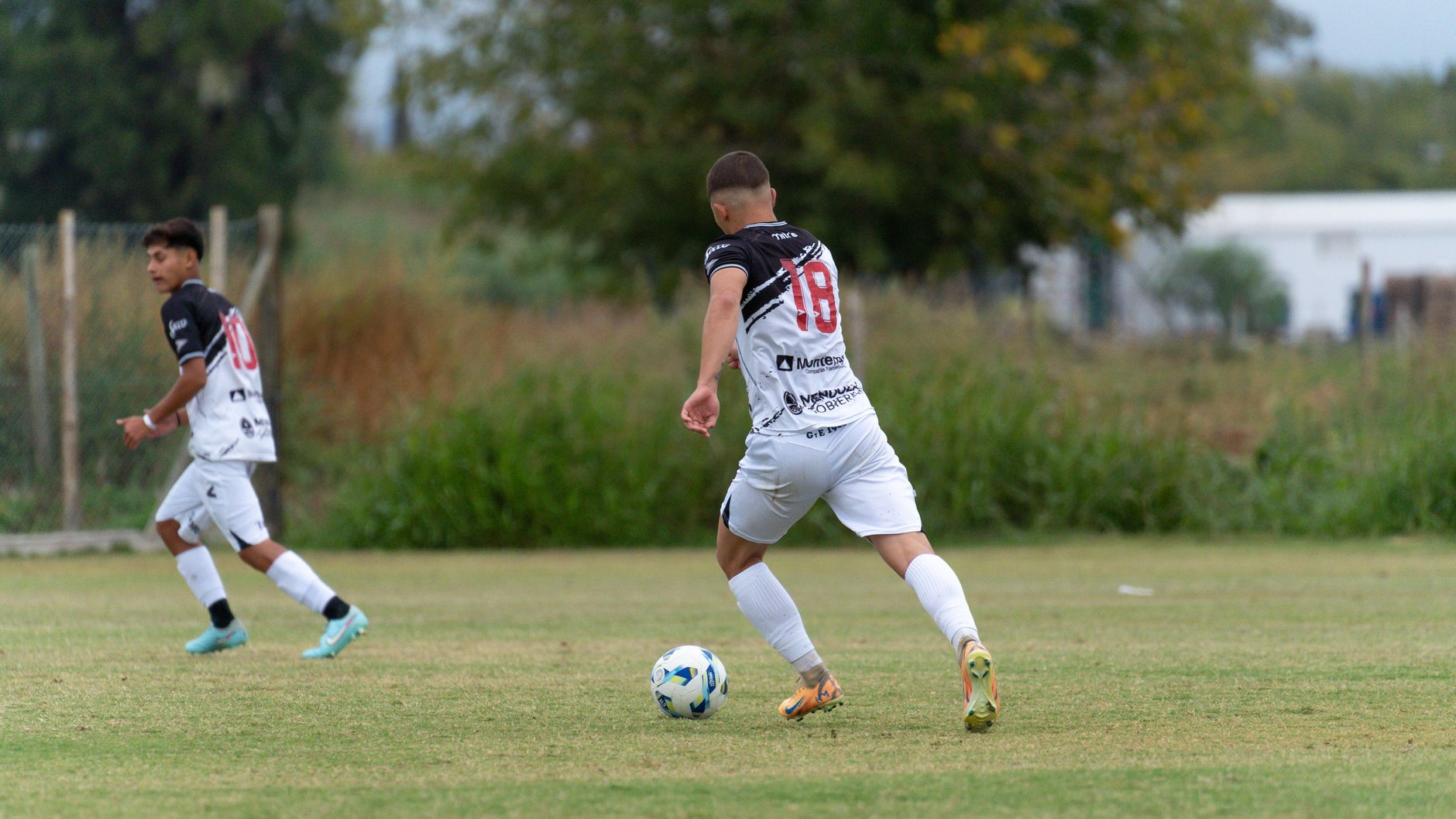
Photo by Franco Monsalvo on Pexels
The difference between a player who looks impressive in training and one who consistently beats opponents is usually not talent. It is the quality of the constraints placed around practice. I have spent enough years losing possession in spectacularly unnecessary ways to know that five extra stepovers do not compensate for a poor first touch. The best football dribbling training teaches you to carry the ball somewhere useful, protect it when necessary, and release it before the second defender arrives. World Cup Hub follows that practical lens when analysing tournament football: technique must serve space, tempo, and the next action.
If you want to connect individual technique with match strategy, explore our [Internal Link: World Cup tactics and formations guide]. It explains why a successful dribble can be valuable even when it does not end with a shot.
The Quick Comparison
| Training focus | Main objective | Useful equipment | Match transfer |
|---|---|---|---|
| Close control | Keep the ball within playing distance | 6–10 cones, football | Escaping pressure in tight areas |
| Change of direction | Move the defender’s weight | Cones or lines | Beating a full-back 1v1 |
| Speed dribbling | Carry the ball into open space | 15–25 metre channel | Counterattacking and transitions |
| Body feints | Sell a convincing false movement | One marker or partner | Creating separation |
| Opposed practice | Choose between dribbling, passing, and shielding | Teammate or defender | Real match decision-making |
| Weak-foot work | Reduce predictability | Ball and small gate | Receiving and exiting on either side |
The comparison matters because different drills solve different technical problems. A player who loses the ball while turning needs close-control and body-position work, while a winger who beats the first defender but cannot accelerate away needs longer touches and sprint mechanics. The FIFA Training Centre presents technical development as connected to perception and decision-making, not isolated ball manipulation. In practical terms, spend approximately 40% of a session on control, 30% on changes of direction, and 30% on pressure-based decisions.
One useful measurement is the “escape touch”: the first touch after a move that takes the ball beyond the defender’s reach. In a 10-minute drill, count successful escape touches rather than counting stepovers. A beginner may achieve 8–12 clean escapes; an experienced player should gradually raise that number without increasing turnovers. That is a more honest scorecard than admiring your own footwork while the ball quietly rolls into the next postcode.
Round 1: How Do You Build Close Control?
Close control develops when the ball remains close enough for the player to change direction immediately, typically within one metre during tight play. Use both feet, vary the surface of contact, and practise receiving the ball while scanning rather than staring down continuously. The first milestone is reliable control at walking pace; the second is maintaining it while accelerating and looking up.
Begin with a foundation circuit lasting 12–15 minutes. Place six to eight cones approximately one metre apart, then complete the following sequence:
- Use the inside of the right foot through the line, then return with the left.
- Use alternating inside touches, keeping the ball slightly ahead of the hips.
- Use the outside of each foot to bend around every cone.
- Dribble with the sole for two touches, then exit with the outside.
- Repeat while looking up after every second touch.
- Finish with a 5–10 metre acceleration after the final cone.
Keep your knees flexed, chest slightly forward, and supporting foot active. The ball should not be trapped underneath you unless the exercise specifically requires a sole roll. According to UEFA, elite technical development places importance on balance, coordination, and performing skills under changing conditions. That principle explains why a perfect stationary toe-tap routine has limited value if your first moving touch is a small act of betrayal.
A particularly useful progression is the three-zone touch drill. Mark a narrow central zone, a turning zone, and an exit zone over 12 metres. In the central area, take short touches; in the turning area, perform a body feint or outside cut; in the exit area, take a longer touch and accelerate. Complete six repetitions with the right foot and six with the left, then repeat while a partner calls “inside,” “outside,” or “turn” at random. This adds perception without requiring a full defender.
The hidden technical detail is ball angle. If your foot contacts the centre of the ball every time, the ball travels straight and gives the defender an easy line to predict. Contacting slightly off-centre creates a controllable angle, allowing your next step to remain between the opponent and the ball. Record yourself from the side using a smartphone; after 20 repetitions, check whether your head rises before or after the touch. If it rises only after the ball has left your foot, you are scanning late.
[Internal Link: beginner football ball-control drills] can help you build a progression before moving into faster 1v1 exercises.
Round 2: Which Moves and Speed Changes Beat Defenders?
Effective dribbling beats defenders through timing, body deception, and acceleration rather than the number of tricks performed. A successful move makes the defender shift weight or open a channel, while the next touch attacks that weakness immediately. Practise one clear action—such as a body feint, scissors, shoulder drop, or inside-out touch—at slow speed, then at realistic speed against a passive and active defender.
A defender does not care how elegant your feet look; the defender cares whether your hips remain square and whether the ball stays reachable. Therefore, every move should contain three parts: approach, deception, and exit. Approach at a manageable speed, sell the false direction with your eyes, shoulder, hips, or foot, then explode into the space created. Lionel Messi often appears economical because his deception and first exit touch are precise, not because he performs a circus routine before every action.
Use the following 1v1 progression:
- Stage one: Approach a stationary cone and practise a shoulder drop at 50% speed.
- Stage two: Add a passive defender who may shadow but cannot tackle.
- Stage three: Allow the defender to tackle after the attacker enters a marked zone.
- Stage four: Start with the defender positioned at different angles.
- Stage five: Add a second player who closes from behind or inside.
Work in 6–8 second bursts, followed by 30–45 seconds of recovery. Short bursts preserve the quality of acceleration and decision-making; long, exhausted repetitions often train poor technique with impressive dedication. A 2024 review in the Journal of Sports Sciences highlights the relevance of representative practice, meaning drills should eventually resemble the information and pressure found in competition. In plain language, cones are useful teachers, but they never have opinions about your preferred foot.
The stop-start drill is especially valuable for football dribbling skills. Mark a 15-metre lane with a finishing gate at the far end. Carry the ball quickly for five metres, slow down for two metres, perform a feint, then accelerate through the gate. Repeat with a defender beginning three metres behind you. The purpose is not simply to run faster; it is to manipulate the defender’s speed. Slowing down can invite pressure, and that pressure can make the eventual acceleration more effective.
A contrarian but important point: practising at maximum speed all the time can reduce improvement. If your touch travels two metres away on every attempt, you are rehearsing recovery rather than control. Use 70–80% speed until the movement is stable, then increase pace in small increments. World Cup Hub’s player analyses frequently show that elite dribblers vary speed before the decisive action, and that observation is more useful than copying a highlight clip frame by frame.
Want a broader tactical application for 1v1 situations? Review our [Internal Link: winger movement and attacking patterns guide] before designing your next session.
Round 3: How Do You Transfer Dribbling Into Matches?
Match-ready dribbling requires the player to identify pressure, space, support, and risk before choosing an action. The most transferable training uses opposed games, directional targets, limited touches, and realistic starting positions. A dribble is successful when it improves the team’s situation—by progressing the ball, drawing a defender, escaping pressure, or creating a passing lane—not merely when the opponent is beaten.
Begin with a 3v3 or 4v4 game on a 25-by-20-metre pitch. Award one point for a normal goal and an additional point when a player dribbles through a marked gate before the team scores. After five minutes, remove the bonus and observe whether players still choose the correct moment to take on an opponent. This two-phase design reveals whether the incentive is creating useful behaviour or simply encouraging everyone to attack the nearest cone with the emotional discipline of a puppy.
Add a “three-second rule” for receiving players: once they control the ball, they must decide to dribble, pass, or protect within three seconds. This does not mean every action must be rushed. It teaches scanning before reception and prevents players from freezing after the first touch. Rotate positions so midfielders, defenders, and forwards experience different angles of pressure. The FIFA World Cup 2026 will feature teams with distinct structures and transition styles, making adaptability more valuable than a single rehearsed trick.
One evidence-based observation from coaching practice is that players often improve their dribbling statistics when the pitch is made slightly narrower, but their match effectiveness can decline if the exercise never includes open space. Use both conditions. A narrow 15-by-12-metre area develops shielding and short touches; a wider 30-by-20-metre area develops carrying, scanning, and acceleration. Measure successful progressions, not just completed moves. A progression can be defined as carrying the ball at least five metres forward while retaining possession or drawing a defender out of position.
The decision matrix below is simple enough to use during training:
- Dribble when you have isolated a defender and open space exists behind them.
- Pass when a teammate offers a better route forward or a second defender is closing.
- Shield when support is nearby but the forward option is temporarily blocked.
- Recycle when the team is outnumbered and losing the ball would expose the defensive structure.
- Accelerate after the defender’s weight shifts or the first line of pressure is broken.
This is where player analysis becomes useful. Vinícius Júnior often attacks the outside channel when the full-back’s hips point inward, whereas Neymar has frequently used pauses and central combinations to manipulate pressure. These are not instructions to imitate a specific celebrity; they are examples of reading body orientation and team context. The FIFA Laws of the Game define the formal playing environment, but tactical success depends on decisions inside that environment.
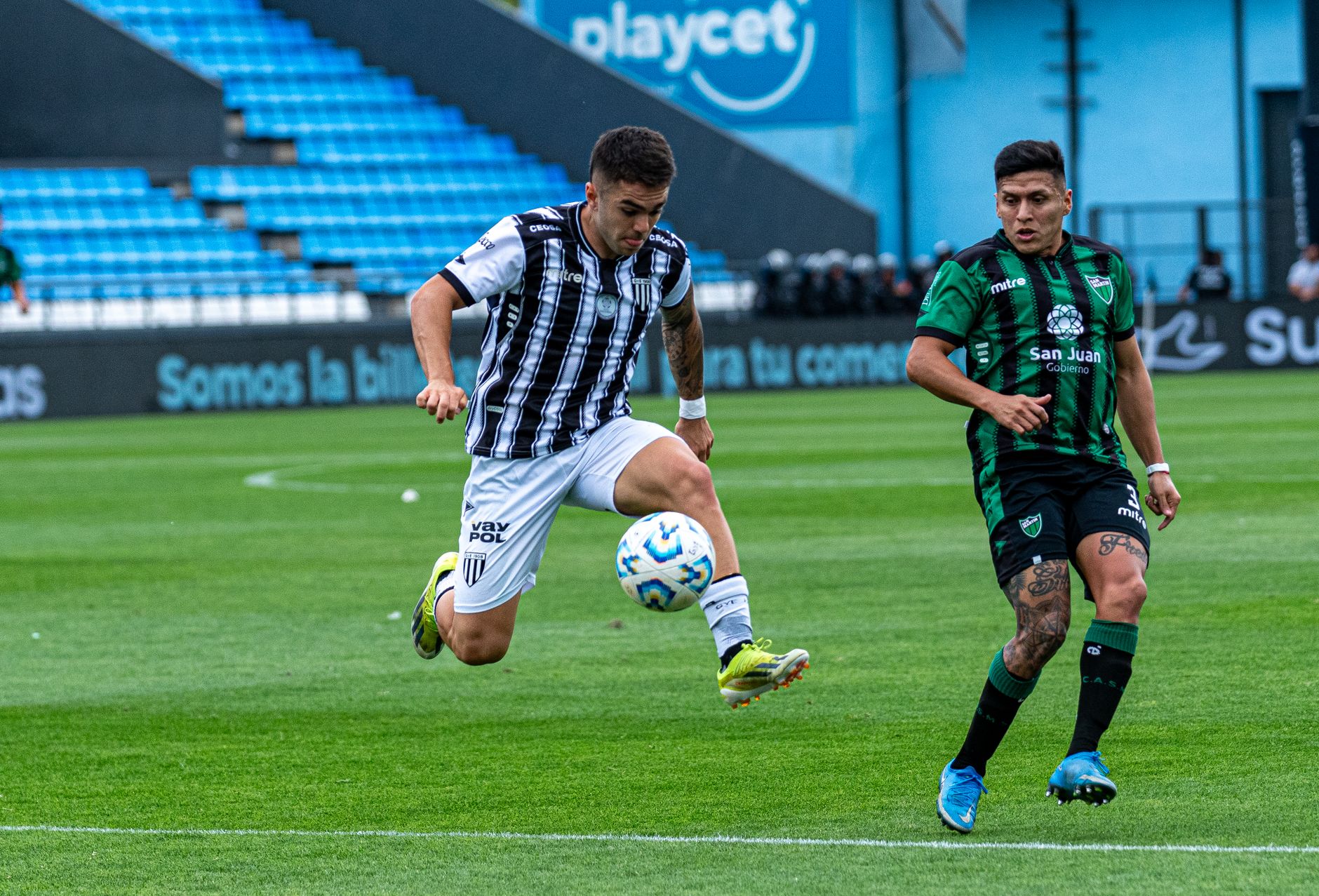
Photo by Franco Monsalvo on Pexels
The Final Score & Who Should Pick What
The best dribbling programme combines close control, deceptive movement, acceleration, and opposed decision-making in that order. Beginners should prioritise 10–15 minutes of ball mastery, intermediate players should add 1v1 resistance and speed changes, and advanced players should spend at least half of their work in small-sided or position-specific games. A practical weekly structure is two technical sessions, one opposed session, and one match or conditioned game.
Use this 30-day progression:
- Days 1–7: Six cone patterns, both feet, 30-minute sessions, with emphasis on light touches and posture.
- Days 8–14: Add body feints, outside cuts, and 15-metre acceleration after every move.
- Days 15–21: Introduce passive and active defenders, using 6–8 second bursts.
- Days 22–30: Use 3v3 or 4v4 games, track successful progressions and turnovers.
- Every seventh day: Reduce volume by 30% and review video rather than chasing fatigue.
The most useful performance indicators are measurable and slightly boring, which is usually how you know they are trustworthy. Track successful escape touches, turnovers under pressure, weak-foot exits, forward carries, and decisions that create a teammate’s passing option. Do not judge improvement solely by how many tricks you can perform. After 30 days, a player who completes 12 clean escapes from pressure with four turnovers may be more effective than one who completes 20 tricks but loses the ball 11 times.
Remember the risk-reward calculation. Near your own penalty area, safety and support generally matter more than an ambitious dribble; near the opponent’s box, a calculated 1v1 can be worth the risk. This is why World Cup Hub connects technical advice with team tactics and tournament analysis rather than presenting dribbling as a separate performance. My stubborn rule, earned through several seasons of regrettable giveaways, is simple: if the move does not improve your angle, space, or passing options, it is probably decoration.
The final recommendation is to practise fewer moves more intelligently. Choose two reliable actions, train them with both feet, add speed variation, then test them against a defender who can genuinely win the ball. If you can keep the ball close, scan early, attack the defender’s weaker angle, and recognise when to pass, you are improving football dribbling skills in the way matches actually demand. “Technical quality must serve the game,” is the central lesson reflected throughout FIFA coaching resources; it is also the lesson that saves you from becoming a very entertaining cone specialist.
For additional player statistics, tactical breakdowns, and FIFA World Cup 2026 coverage, follow World Cup Hub’s daily analysis.
Frequently Asked Questions
Q: What does football dribbling mean?
A: Football dribbling means moving with the ball while maintaining control and responding to defenders, space, and teammates. It includes close touches, changes of direction, body feints, shielding, and acceleration. Effective dribbling is not limited to beating an opponent; carrying the ball five metres to escape pressure or draw a defender can also be successful. The key test is whether the action improves your team’s position without creating unnecessary turnover risk.
Q: How can I improve football dribbling skills at home?
A: You can improve at home by using a 3–5 metre space, a football, and four markers for 20–30 minutes, four times weekly. Practise inside touches, outside touches, sole rolls, pull-push movements, and controlled turns with both feet. Keep the ball within one metre, look up after every second touch, and finish with short acceleration if space permits. Record one set each week to identify whether your touches are becoming lighter and more directional.
Q: What is the difference between close control and speed dribbling?
A: Close control uses frequent short touches to protect the ball in crowded areas, while speed dribbling uses longer touches to carry it through open space. Close control is most useful near opponents, touchlines, and compact midfield blocks. Speed dribbling is more appropriate during transitions, especially when a player has 10–25 metres to attack. Good players switch between both modes instead of using one touch length everywhere.
Q: Why does my dribbling work against cones but fail against defenders?
A: Cone drills fail to prepare you for defenders because cones do not change speed, close angles, or react to your body position. Progress from stationary markers to a passive opponent, then to an active 1v1 defender who can tackle. Add a decision such as dribble, pass, or shield, and begin repetitions from different angles. If your technique collapses immediately, reduce speed to 70–80% and rebuild the move before increasing pressure.
Q: How often should I practise dribbling?
A: Most players can practise dribbling two to four times per week, with individual sessions lasting 20–45 minutes. Beginners should use two technical sessions and one small-sided game, while advanced players can add a third technical session if recovery is adequate. Avoid performing high-intensity 1v1 work on every consecutive day because acceleration and cutting stress the muscles. Keep one lower-volume review session each week for video analysis and weak-foot work.
Q: Which dribbling moves should beginners learn first?
A: Beginners should first learn the body feint, shoulder drop, inside cut, outside cut, and sole roll. These actions are simple, useful in multiple positions, and easier to perform under pressure than complex multi-step combinations. Practise each move with an approach, deception, and explosive exit, beginning slowly before adding an opponent. Two reliable moves performed at the right moment are more valuable than ten tricks that cannot survive a real challenge.
Q: Should I dribble or pass when a defender approaches?
A: Dribble when you have an isolated defender, a clear exit route, and enough support if the move fails; pass when a second defender closes or a teammate has a safer forward option. Near your own goal, the risk of losing possession is usually higher, so recycling the ball can be the correct decision. Near the opponent’s penalty area, a successful 1v1 may create a high-value chance. Scan before receiving so the decision starts before the defender arrives.
See more practical guidance in our [Internal Link: advanced football dribbling techniques and drills].
END_OF_DISPATCH
Thanks for reading this article from our archive.