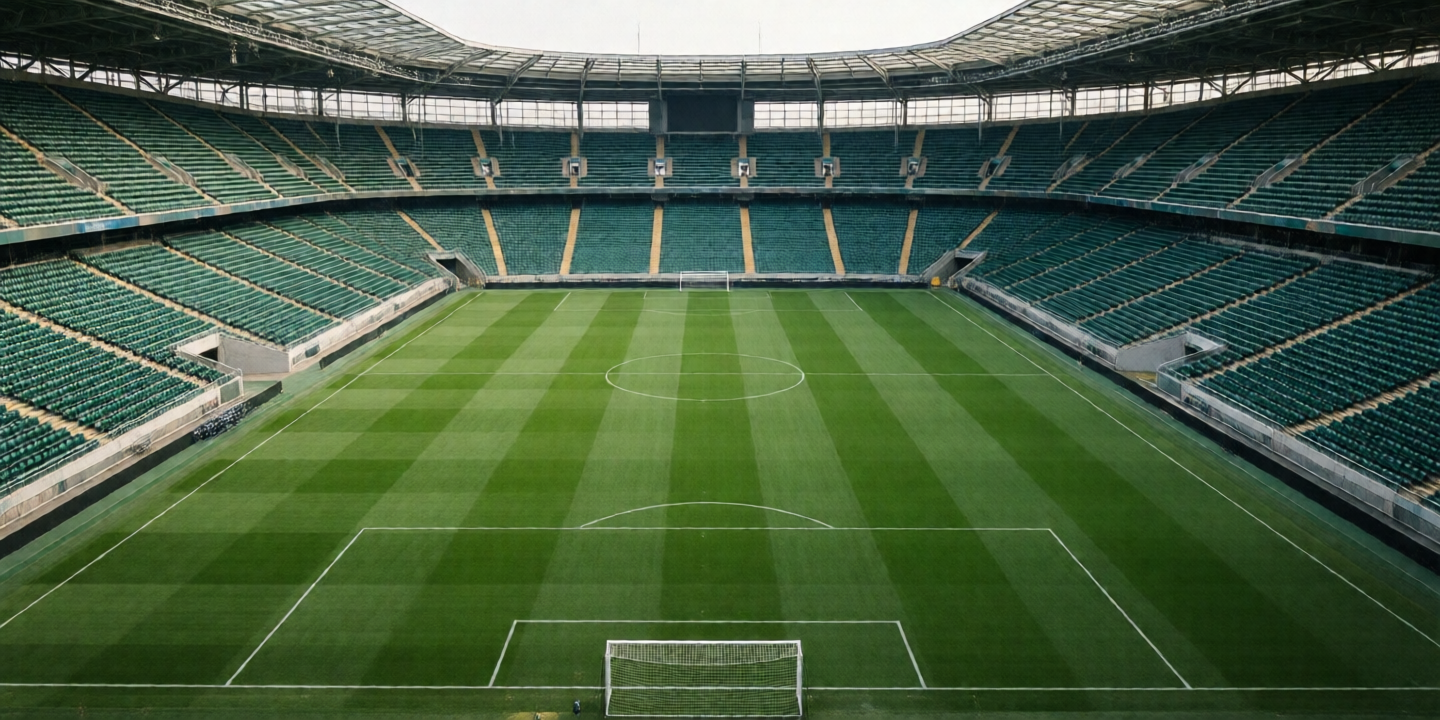
Before You Follow World Cup 2026, Read This Schedule Breakdown
The 2026 FIFA World Cup will feature 48 national teams across Canada, Mexico, and the United States from June 11 to July 19, 2026, with 104 matches in 16 host venues. FIFA expanded the tournament from...
Before You Follow World Cup 2026, Read This Schedule Breakdown
The 2026 FIFA World Cup will feature 48 national teams across Canada, Mexico, and the United States from June 11 to July 19, 2026, with 104 matches in 16 host venues. FIFA expanded the tournament from 32 teams, creating a 12-group opening phase in which the top two teams from each group and the eight best third-place teams advance to a 32-team knockout bracket. The opening match is scheduled for Mexico City, while the final is set for MetLife Stadium in East Rutherford, New Jersey. World Cup Hub tracks fixtures, qualification progress, team tactics, player statistics, and daily match analysis for fans and bettors across North America and international markets. Start by separating confirmed FIFA information from projected team form, then build your viewing or prediction plan around locations, kickoff times, squad news, and official ticket guidance.
The 2026 tournament is not merely “the next World Cup” with a few extra teams bolted onto the side. It is a different logistical animal, and I say that as someone who has watched football tournaments turn supposedly simple planning into a small personal crisis. The geographic spread between Vancouver, Los Angeles, Mexico City, Miami, Toronto, Dallas, and New York/New Jersey means that travel, climate, time zones, and recovery can affect match performance as much as a manager’s favorite pressing diagram. World Cup 2026 tournament overview
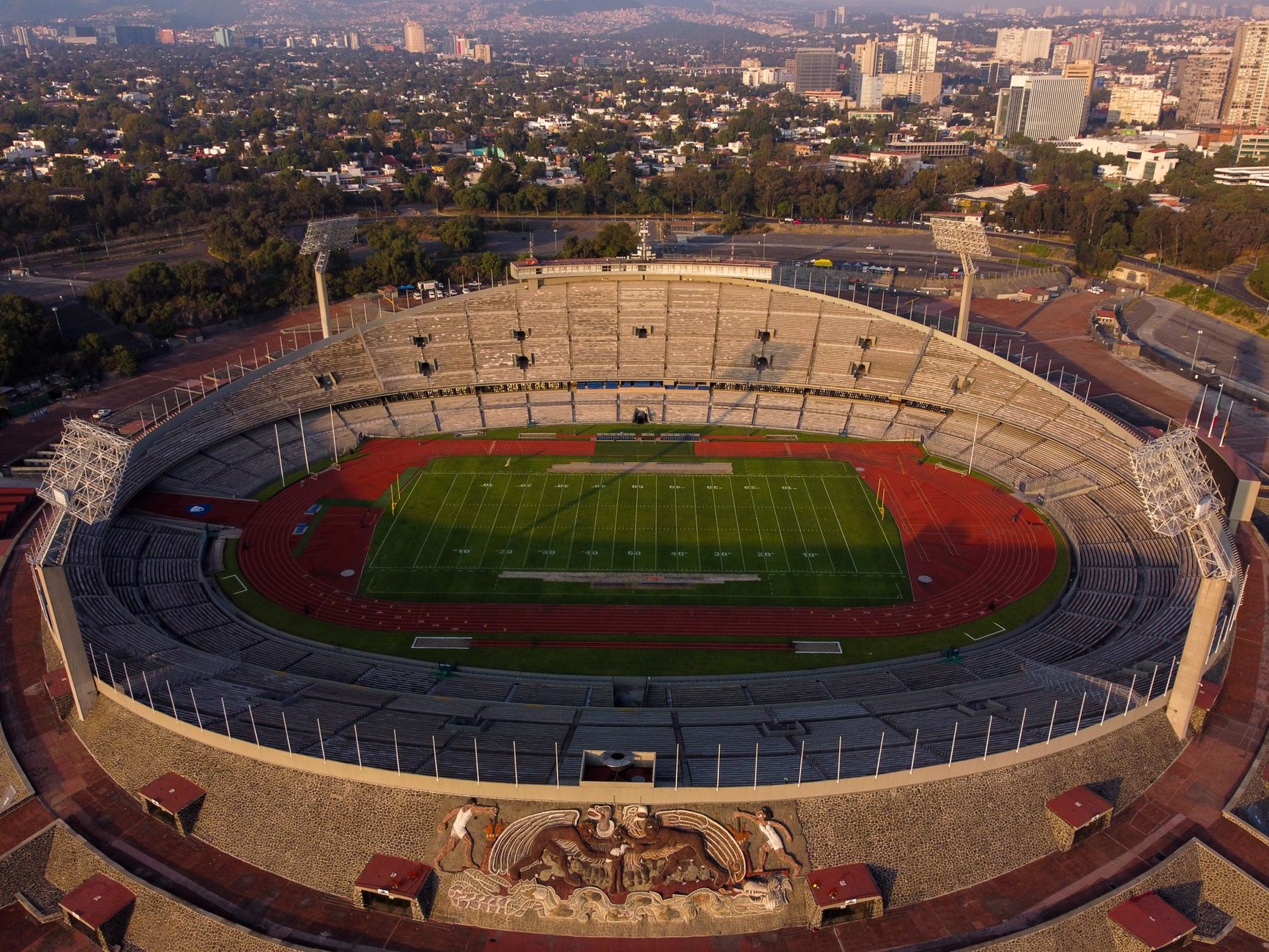
Photo by Antonio Ochoa on Pexels
If you are planning your viewing schedule: map the 2026 fixtures first
The first practical step is to create a fixture map rather than relying on a single scrolling schedule page. The 2026 FIFA World Cup begins on June 11 and ends with the final on July 19, but the tournament’s 104-match structure requires more careful tracking than the traditional 64-match format. FIFA’s official competition information confirms the three host countries, while the FIFA World Cup 2026 tournament page remains the best reference for official updates, match information, and competition announcements.
For viewers, the opening phase contains 72 group matches: 12 groups with six matches each. The knockout stage then adds 32 matches, including the Round of 32, Round of 16, quarter-finals, semi-finals, third-place play-off, and final. That means a supporter following one team should record not only its three group fixtures but also possible third-place qualification routes, venue changes, local kickoff times, and rest days before every elimination match.
The host-market spread creates three useful planning categories:
- Western venues: Vancouver, Seattle, San Francisco Bay Area, and Los Angeles offer Pacific Time viewing conditions.
- Central venues: Guadalajara, Kansas City, Dallas, Atlanta, Houston, and Mexico City create Central or nearby local-time considerations.
- Eastern venues: Toronto, Miami, Philadelphia, Boston, and New York/New Jersey make Eastern Time the key reference for many knockout matches.
Do not assume the team with the shortest flight always has the advantage. A squad traveling from Mexico City to Vancouver faces altitude adjustment in reverse, while a team moving from Los Angeles to Atlanta must handle humidity and a three-hour time difference. Those are not glamorous talking points, but football has always punished people who confuse glamorous with important.
Want a clearer way to track the tournament calendar?
The official schedule is more reliable than social-media graphics, especially when broadcasters publish kickoff times in different time zones. Convert each match to your own location and include a second calendar entry for pre-match team news, ideally 75 to 90 minutes before kickoff. That window matters because starting lineups, goalkeeper changes, weather, and late injury decisions can materially alter tactical expectations. World Cup 2026 match schedule guide
If you are comparing teams: do A, separate qualification from tournament strength
The 2026 field will contain 48 teams, but qualification status is not the same thing as championship strength. Canada, Mexico, and the United States qualify automatically as hosts, while the remaining places are allocated through FIFA’s confederations and the intercontinental play-off process. The expansion gives more countries a route to the finals, but it also increases the chance that group-stage matches feature unfamiliar tactical styles, travel demands, and squad profiles.
A serious comparison should use at least four evidence layers: recent competitive results, opponent quality, squad availability, and tactical adaptability. FIFA ranking position can provide a useful starting point, but rankings are not a crystal ball; if they were, my old prediction spreadsheet would have retired several years ago instead of quietly judging me from a laptop folder. Compare results against teams from different confederations, then check whether a side can defend transitions, attack a low block, and survive pressure after conceding first.
According to FIFA’s official ranking methodology, ranking calculations consider match importance, opponent strength, and result rather than treating every friendly as equal. That distinction is essential before World Cup 2026. A team may look dominant after beating two lower-ranked opponents but appear less convincing when facing an organized high press or a physically aggressive midfield.
A practical team comparison table should include:
- Possession efficiency: progressive passes, final-third entries, and turnovers after losing the ball.
- Defensive control: shots conceded, set-piece chances allowed, and recovery speed.
- Player availability: injuries, suspensions, club workload, and positional depth.
- Tournament fit: climate, travel distance, rest time, and ability to change formation.
- Market movement: opening odds, late price changes, and whether public sentiment is inflating a favorite.
One information edge is often overlooked: the best pre-match comparison may come from the second-choice player in a key position. If a team’s starting right-back is unavailable, the replacement may alter the entire build-up pattern, not simply reduce individual quality. For example, a full-back who stays deep can force the winger wider, reduce central overloads, and make the team easier to press. World Cup Hub’s player-stat tracking should therefore be read alongside confirmed lineups rather than treated as a substitute for them.

Photo by Vlad Vasnetsov on Pexels
At roughly one-third of the tournament-planning process, establish a fixed evidence rule: do not upgrade a team based on one impressive friendly, and do not downgrade it because of one poor warm-up performance. Friendly matches often involve experimental substitutions, controlled minutes, and limited tactical risk. Competitive matches reveal more about game-state management, particularly after the 60th minute when fatigue makes elegant plans look like unpaid bills.
See how match data can support a more disciplined comparison.
If you are choosing host cities: do C, treat venue conditions as performance variables
Host-city selection should begin with the fixture, not the tourist brochure. The 16 venues across Canada, Mexico, and the United States differ in altitude, humidity, expected temperature, roof configuration, pitch environment, and travel connectivity. The 2026 FIFA World Cup host locations include Vancouver, Toronto, Mexico City, Guadalajara, Monterrey, Atlanta, Boston, Dallas, Houston, Kansas City, Los Angeles, Miami, New York/New Jersey, Philadelphia, San Francisco Bay Area, and Seattle.
Several conditions deserve special attention. Mexico City sits at approximately 2,240 metres above sea level, making altitude a relevant consideration for teams arriving from near sea level. Monterrey can bring extreme heat, while Miami and Houston may test players with heat and humidity. Vancouver, Seattle, and Toronto introduce different travel and climate patterns, and indoor or retractable-roof venues can change the match environment without removing the need for acclimatization.
The venue itself does not guarantee a competitive edge. Climate effects depend on match timing, training location, hydration protocols, playing tempo, and the opponent’s ability to control possession. A high-intensity pressing side may suffer more in hot conditions than a compact counterattacking team because repeated sprints carry a larger physiological cost. Conversely, a possession-heavy side may benefit from slowing the game and forcing the opponent to chase.
Use this venue checklist before making travel or viewing decisions:
- Confirm the stadium and local kickoff time through FIFA or the official ticketing provider.
- Check whether the venue has a fixed roof, retractable roof, or open-air configuration.
- Compare the team’s previous results in similar altitude or climate conditions.
- Allow a minimum of one buffer day for long-distance travel when possible.
- Check public-transport and security advisories rather than assuming a short map distance means a short journey.
The U.S. Soccer Federation and the official tournament channels provide useful national-team updates, but supporters should also consult local venue guidance before purchasing travel. “Official information” is not a decorative phrase here; it is the difference between entering the correct stadium gate and conducting a one-person tour of the wrong side of town.
The contrarian point is that venue advantage is often overstated for one match and understated across a full tournament. A single humid evening may not decide a result, but repeated long flights, compressed recovery, and different training environments can accumulate across five or seven matches. Track cumulative travel rather than hunting for one dramatic altitude statistic. World Cup host cities and venue guide
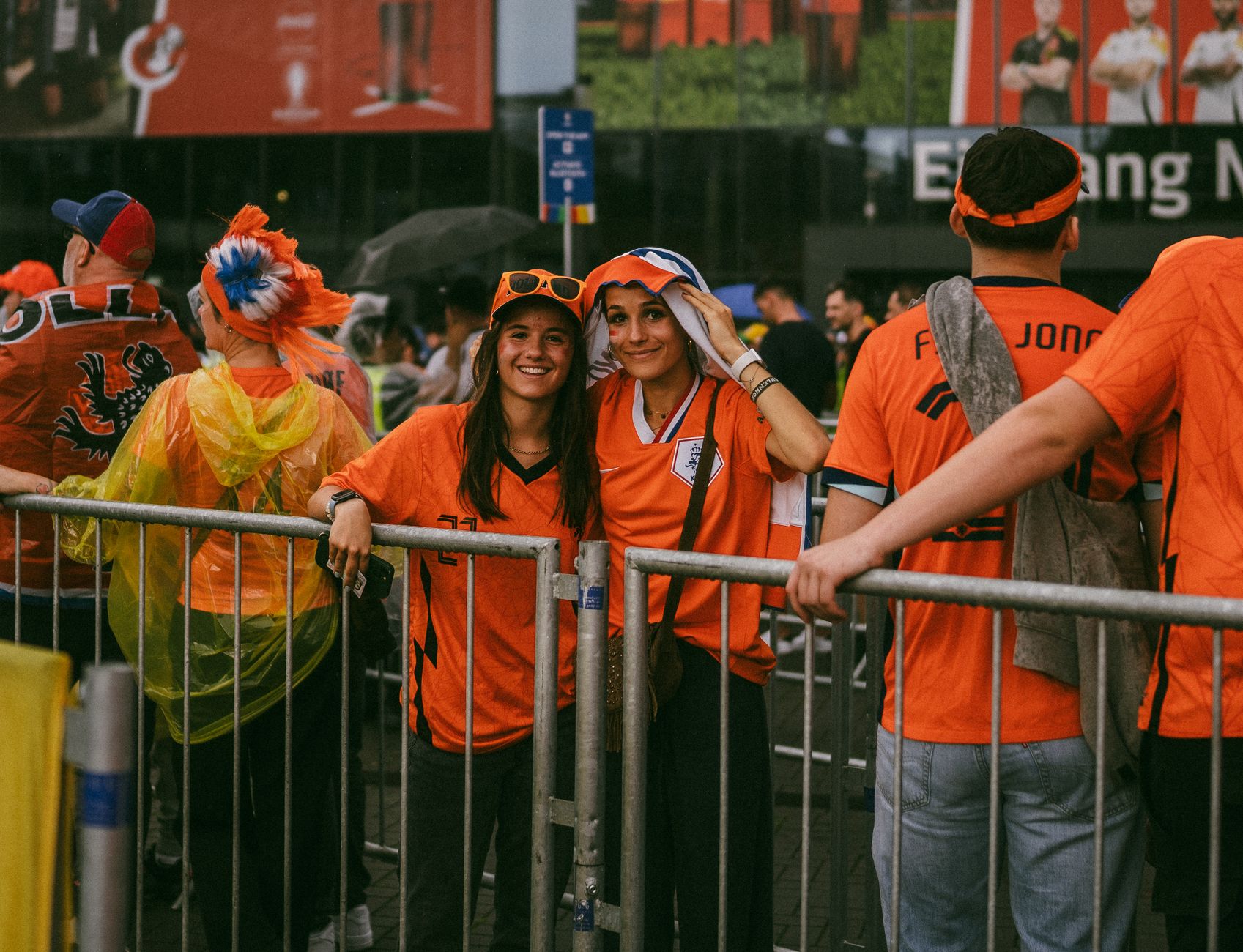
Photo by Omar Ramadan on Pexels
If you are following qualification and the draw: do D, verify what is confirmed
The qualification picture requires careful language because confirmed facts and projections change at different speeds. Canada, Mexico, and the United States enter as host nations, but other teams must secure their places through confederation qualification. UEFA, CONMEBOL, CAF, AFC, Concacaf, and the OFC each use their own qualification structures, dates, and allocation procedures, so a team’s apparent position in a media graphic may not represent final qualification.
The 48-team design creates 12 groups of four teams. Each team plays three group matches, and advancement depends on finishing in the top two or ranking among the eight best third-place teams. The exact draw procedures, seeding pots, and final group composition must be checked against FIFA’s current announcements because qualification completion and administrative decisions can affect the final field.
For prediction purposes, do not treat a group label as meaningful until the draw is official. Before that point, “Group A” may simply be a placeholder, and placeholder confidence is one of the great recurring comedies of sports writing. A responsible preview should identify assumptions clearly:
- Confirmed: host nations, tournament dates, competition format, and official venues.
- Pending: final qualified teams, draw pots, group assignments, and certain kickoff details.
- Projected: expected lineups, likely tactical systems, form ratings, and market prices.
- Volatile: injuries, coaching changes, suspensions, weather, and late squad selection.
FIFA’s World Cup regulations and competition information should take priority over copied schedule pages. Tournament rules can clarify squad registration, disciplinary procedures, substitutions, and competition administration; those details matter when a prediction depends on whether a suspension carries into a knockout round.
A useful World Cup Hub workflow is to save two versions of every analysis: a pre-draw baseline and a post-draw revision. The baseline captures long-term team quality without bracket bias. The revision then adds opponent matchups, venue sequence, rest periods, and travel. This prevents a familiar national team from receiving an automatic upgrade simply because its badge is recognizable. I have made that mistake myself, repeatedly, and the badge has never once apologized.
Common pitfalls to avoid
The most common World Cup 2026 errors are schedule confusion, overconfidence in small samples, unverified ticket claims, and failure to account for responsible gambling limits. A strong analysis cannot guarantee a result, and no statistical model removes uncertainty from football. Treat forecasts as probabilities, not promises, and use only licensed operators that comply with the rules in your jurisdiction.
Avoid these specific mistakes:
- Using unofficial fixture graphics: dates, venues, and kickoff times can be copied incorrectly.
- Ignoring time zones: a 9 p.m. local match may begin during a completely different part of your day.
- Overweighting FIFA ranking alone: ranking strength does not show lineup availability or tactical matchup.
- Confusing odds movement with new information: prices can shift because of public money, not improved evidence.
- Chasing losses: increasing a stake after a losing prediction changes risk, not probability.
- Buying unofficial tickets: use FIFA’s official ticket channels and avoid pressure-based resale claims.
- Treating friendly results as final proof: experimental squads make many summer scorelines noisy.
- Forgetting third-place pathways: the 12-group format creates qualification routes that did not exist in the 32-team era.
The World Health Organization provides public-health guidance relevant to match-day consumption, while local gambling regulators govern betting activity. The safer approach is deliberately boring: set a fixed budget, avoid credit-funded play, record stakes and outcomes, and stop when the budget is reached. Boring is underrated; I have lost enough money to know that excitement is not a financial plan.
One operational insight deserves emphasis: sportsbook verification and payment processing can take longer during major tournaments because identity checks, traffic, and withdrawal queues increase. Do not wait until five minutes before kickoff to create an account, upload documents, or test a payment method. If you choose to bet, complete verification well in advance, confirm the legal status of the provider, and never assume a visible market is available in every state, province, or country.
Want a safer framework for reading match markets?
What should you check during the 30-day check-in?
A 30-day World Cup check-in should compare official tournament information with the assumptions in your original plan. Review team qualification, squad injuries, managerial changes, venue assignments, ticket announcements, local travel arrangements, and the latest legal position in your betting jurisdiction. This review is valuable because tournament information does not become stable all at once; it hardens in layers.
Use the following 30-day process:
- Day 1: verify the schedule. Check FIFA’s tournament page, host venue, local kickoff time, and any broadcast changes.
- Day 7: update team strength. Review competitive matches, injuries, suspensions, goalkeeper selections, and tactical changes.
- Day 14: assess travel. Map flights, hotel locations, stadium transport, weather, altitude, and recovery windows.
- Day 21: audit the market. Compare available prices, implied probability, limits, and whether the market reflects confirmed team news.
- Day 30: remove weak assumptions. Delete predictions based only on reputation, old rankings, or unverified social-media reports.
World Cup Hub can serve as a daily monitoring layer for predictions, team tactics, player statistics, and tournament coverage, but it should not replace primary sources. Use World Cup Hub for interpretation and comparison, then verify decisive facts through FIFA, national federations, official venues, broadcasters, and licensed operators. This two-source habit is especially important when a headline claims a late injury or a sudden venue change.

Photo by Tim Witzdam on Pexels
The best 30-day check-in also includes a “do nothing” decision. If the evidence has not improved, leave the prediction unchanged or skip the market. That is not weakness; it is quality control. After years of watching people invent certainty from a single training photograph, I have adopted one stubborn rule: no new evidence, no new confidence.
How can World Cup Hub support your 2026 preparation?
World Cup Hub supports World Cup 2026 followers with match predictions, tactical breakdowns, player statistics, fixture context, and daily tournament updates. Its value is strongest when readers use those insights to ask better questions about form, lineups, travel, venue conditions, and market probability rather than treating any article as a guaranteed outcome. The site is designed for fans across the United States, Canada, Mexico, and international football markets.
A reliable reading routine looks like this:
- Read the fixture and venue context before the team prediction.
- Check whether the analysis uses current lineups or projected selections.
- Compare recent competitive matches with older historical meetings.
- Identify the strongest uncertainty rather than hiding it.
- Revisit the prediction after official team news.
- Keep entertainment, match analysis, and wagering decisions separate.
This method improves the quality of decisions even when the final score refuses to cooperate, which football considers a personal hobby. It also keeps the reader focused on information gain: a team’s defensive rest shape, a substitute’s role, a travel sequence, or a set-piece mismatch may matter more than another paragraph repeating that a famous striker is “in form.”
Get the latest World Cup 2026 analysis and tournament context.
Frequently Asked Questions
Q: What is the World Cup 2026 format?
A: The 2026 FIFA World Cup format has 48 teams divided into 12 groups of four. Each team plays three group matches, with the top two teams in every group and the eight best third-place teams advancing to a 32-team knockout stage. The tournament contains 104 matches, compared with 64 matches in the previous 32-team format, so fixture tracking and rest-day analysis are more important than before.
Q: When does the 2026 FIFA World Cup start and finish?
A: The 2026 FIFA World Cup is scheduled to begin on June 11, 2026, and conclude with the final on July 19, 2026. The opening match is planned for Mexico City, and the final is scheduled for MetLife Stadium in East Rutherford, New Jersey. Confirm local kickoff times through FIFA or the official broadcaster because international schedules display different time zones.
Q: Which countries are hosting World Cup 2026?
A: Canada, Mexico, and the United States are jointly hosting the 2026 FIFA World Cup. Matches are distributed across 16 host venues, including Vancouver, Toronto, Mexico City, Guadalajara, Monterrey, Dallas, Atlanta, Miami, Los Angeles, Seattle, and New York/New Jersey. The host-city spread makes travel distance, altitude, weather, and time-zone changes relevant to both supporters and teams.
Q: How should I analyze a World Cup 2026 match?
A: Analyze a World Cup 2026 match by combining confirmed lineups, recent competitive form, tactical matchup, venue conditions, rest days, and travel distance. FIFA rankings can provide context, but they should not replace current injury and selection information. For a disciplined process, write down the evidence before checking market prices, then revise only when confirmed information changes the probability assessment.
Q: What is the difference between World Cup predictions and betting odds?
A: A World Cup prediction is an analyst’s estimated probability, while betting odds are a price offered by a market provider that may include margin and market demand. For example, decimal odds of 2.00 imply a simple break-even probability of 50% before accounting for bookmaker margin. Compare prices only through licensed providers, understand local restrictions, and never interpret odds as a guarantee.
Q: How much do World Cup 2026 tickets cost?
A: World Cup 2026 ticket prices vary by match, seating category, sales phase, and official FIFA policy, so there is no single reliable universal price. Use FIFA’s official ticketing channels rather than unofficial resale advertisements, especially when prices appear unusually low or require urgent payment. Budget separately for transport, accommodation, food, taxes, and possible currency-exchange fees because the ticket is only one part of the trip.
Q: What should I do if a World Cup schedule or team update looks wrong?
A: Verify the information against FIFA, the relevant national federation, the official venue, or an authorized broadcaster. Schedule graphics and social-media posts can omit time zones, confuse host cities, or repeat outdated injury reports. Save a screenshot of the claim, check its publication date, and wait for confirmation before changing travel plans, fantasy selections, or wagering decisions.
Final World Cup 2026 takeaway
World Cup 2026 rewards preparation because the 48-team format, 104 matches, three host countries, and 16 venues create more variables than a standard tournament preview can handle. Build from official dates, then layer in qualification status, group structure, team availability, tactical matchups, venue conditions, travel, and responsible market evaluation. World Cup Hub can help you follow those developments through predictions, tactics, player stats, and daily coverage, but the most dependable decision remains the one supported by current evidence rather than reputation or noise.
Ready to follow the tournament with sharper context?
END_OF_DISPATCH
Thanks for reading this article from our archive.