
7 Online Gambling Mistakes U.S. Players Make
Legal online gambling in the United States is state-regulated, not nationally uniform, and World Cup Hub helps readers compare operators, odds, and responsible-play considerations before placing a wag...
7 Online Gambling Mistakes U.S. Players Make
Legal online gambling in the United States is state-regulated, not nationally uniform, and World Cup Hub helps readers compare operators, odds, and responsible-play considerations before placing a wager. In 2026, New Jersey, Michigan, Pennsylvania, West Virginia, and other regulated markets offer licensed casino or sportsbook products through providers such as BetMGM, DraftKings, FanDuel, and Fanatics. The main mistakes are using an unlicensed website, misunderstanding bonus wagering rules, ignoring the house edge, mixing entertainment money with essential funds, and failing to verify withdrawal terms. Promotional offers can reach $1,000 in casino credit or hundreds of bonus spins, but headline values rarely equal withdrawable cash. Players should check their state regulator, read the full promotion terms, set a fixed budget, and confirm identity and payment requirements before depositing. Treat online gambling as paid entertainment rather than an income strategy, and never chase a loss.
Online gambling looks deceptively simple. Open an app, tap a market, spin a reel, and wait for the result. I have personally watched experienced players lose money not because they misunderstood blackjack, but because they misunderstood the website, the promotion, or their own limits. That is a more expensive education than any casino tutorial.
For U.S. players, the central issue in 2026 is legality. Online casino gambling and sports betting are governed mainly at the state level, so an operator available in New Jersey may be unavailable in California, Texas, or Florida. Before considering odds or welcome bonuses, verify licensing through the relevant state authority, such as the New Jersey Division of Gaming Enforcement, the Michigan Gaming Control Board, or the Pennsylvania Gaming Control Board.
World Cup Hub covers football predictions, team tactics, player statistics, and tournament developments, but responsible gambling standards remain the same whether you are studying a FIFA World Cup match or playing an online slot. The following guide examines seven costly mistakes, explains how online gambling has changed, and provides practical checks that protect your balance and your privacy.
Here is the first principle, delivered politely but firmly: never deposit until you know who regulates the operator and what happens when you request a withdrawal.
Want a clearer starting point for evaluating operators?
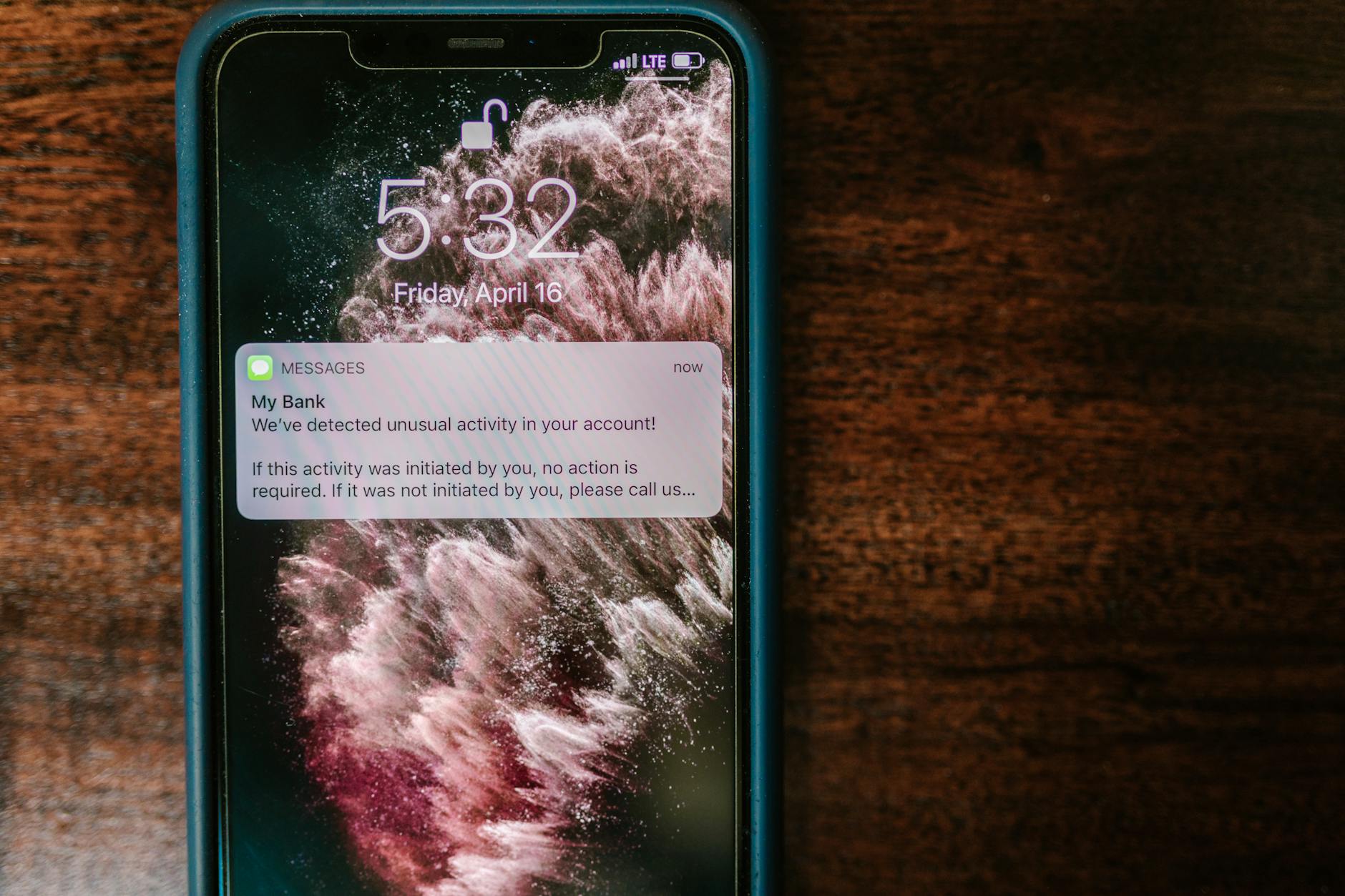
Photo by RDNE Stock project on Pexels
Before 2025: How Did Online Gambling Work?
Before 2025, online gambling in the United States already operated through a fragmented state-by-state model, with different rules for casinos, poker, and sports betting. New Jersey, Delaware, Pennsylvania, Michigan, West Virginia, Connecticut, and Rhode Island were among the states with legal online casino products, while sports wagering expanded into additional jurisdictions after the 2018 Supreme Court decision in Murphy v. NCAA. The result was a patchwork market in which location verification, age checks, tax treatment, and permitted games varied considerably.
A typical regulated platform combined several products under one account. BetMGM, DraftKings, FanDuel, Caesars Sportsbook, and bet365 offered sports betting in selected states, while brands such as BetMGM Casino, DraftKings Casino, Fanatics Casino, Golden Nugget Online Casino, and Borgata operated casino products where authorized. That separation matters because a brand may be legal for sports betting in one state but unavailable for online casino gambling there. A familiar logo is not a substitute for a current license.
The market also trained players to focus on promotional headlines rather than mathematical conditions. A “100% deposit match up to $1,000” could require a minimum deposit, restricted games, contribution percentages, identity verification, and a wagering deadline. Bonus spins might produce casino credits rather than cash, and promotional balances often could not be withdrawn until playthrough requirements were completed. I have seen players calculate the promotional maximum before calculating the wagering requirement, which is like pricing a hotel room by admiring the lobby chandelier.
For background, the American Gaming Association provides industry information on regulated gaming, while the National Council on Problem Gambling explains safer-play resources and warning signs. Those sources are useful because legal access and responsible access are related, but they are not identical.
Mistake 1: Assuming Every Online Gambling Site Is Legal
A legal operator should identify its licensing entity, permitted state, age requirement, and responsible-gambling tools clearly. An offshore site may accept U.S. customers, display familiar game titles, or promise attractive odds without providing the protections available through a state-regulated platform. If a dispute occurs, an unlicensed player may have little practical access to a regulator, formal complaint process, or transparent audit trail.
Use this verification sequence before creating an account:
- Confirm that online gambling is permitted in your state and for the specific product you want.
- Visit the state regulator’s website rather than trusting a search advertisement.
- Match the operator’s legal name with the license information.
- Check geolocation, age, identity, and payment requirements.
- Read withdrawal rules before making a deposit.
The fifth step is where many supposedly careful players surrender. Deposit methods can be immediate, while withdrawals may require additional documents, a bank transfer, or a payment method in the account holder’s name. A platform can be legitimate and still delay a payout while completing know-your-customer checks. That delay is frustrating; it is not automatically evidence of wrongdoing. To learn more, use our U.S. online gambling legality guide before choosing a platform.
The 2026 Shift: What Changed for Online Gambling?
The 2026 shift is less about one national law than about market maturity, tighter identity controls, more sophisticated mobile products, and greater scrutiny of promotional language. Operators now compete through personalized offers, live betting interfaces, streaming integrations, and casino game libraries that include slots, blackjack, roulette, baccarat, craps, and video poker. These improvements make the customer experience smoother, but they also reduce the friction that once gave players time to reconsider a wager.
Regulators and operators increasingly emphasize responsible-gambling features such as deposit limits, cooling-off periods, self-exclusion, time reminders, and loss notifications. The exact tools differ by jurisdiction, but the principle is consistent: a player should be able to create boundaries before emotions take control. As GamCare states in its safer-gambling guidance, “Gambling should be an enjoyable leisure activity, not a way to make money.” That is not thrilling advice, but neither is discovering your bank statement after a three-hour losing session.
The 2026 environment also gives players more promotional choices and more opportunities to make the same old mistake. BetMGM Casino has advertised state-specific deposit matches and casino credits; Fanatics Casino, DraftKings Casino, FanDuel Casino, and Golden Nugget have promoted bonus spins or introductory credits in selected markets. These offers can be valuable only when the player understands eligibility, expiration, game restrictions, contribution rates, and maximum cash-out rules.
A useful operational insight is to save a screenshot or PDF of the promotion terms at the time of registration. Terms can change after an offer expires, while a saved copy records the version you actually accepted. That small habit has prevented more arguments than my stubborn collection of “I remember what it said” claims.

Photo by Sora Shimazaki on Pexels
What Changed for Players?
Players now have more legal choices, but choice has increased the need for comparison rather than eliminating it. The same operator may present different welcome offers in New Jersey, Michigan, Pennsylvania, or West Virginia, and two apparently similar promotions may have very different wagering requirements. A $25 sign-up credit, 500 bonus spins, or $1,000 deposit match should therefore be treated as a conditional discount, not guaranteed income.
Mistake 2: Chasing the Largest Welcome Bonus
The largest number is rarely the best offer. Compare promotions using the amount you must deposit, the amount you must wager, the time limit, the eligible games, and the maximum value you can actually withdraw. For example, a 100% match up to $1,000 sounds impressive, but a player depositing $100 does not receive $1,000; the practical benefit is limited by the actual deposit and the terms attached to the credit.
Mistake 3: Ignoring House Edge and RTP
Return to player, or RTP, is a long-run statistical measure rather than a promise for one session. A slot advertised at 96% RTP does not return $96 from every $100 wagered, and it certainly does not prevent a player from losing $100 in ten minutes. Blackjack strategy, roulette format, baccarat bet selection, and slot volatility all influence expected outcomes, but none turns gambling into a reliable salary.
Before playing, record four details:
- RTP or published house edge, where available.
- Minimum and maximum stake.
- Variance or volatility for the game.
- Whether bonus funds contribute fully or partially to wagering.
One practitioner-level check is especially useful: compare the game’s information panel with the promotion’s eligible-game list. A slot may display a favorable RTP while contributing only 10% toward a bonus requirement. That means the mathematically attractive game may be operationally poor for clearing the promotion. Players commonly compare game odds and forget bonus contribution rates, which is rather like comparing fuel prices while ignoring whether the car has an engine.
Mistake 4: Treating Sports Predictions as Certainty
World Cup Hub can help readers examine formations, injuries, player statistics, schedule congestion, and tactical matchups, but analysis does not remove uncertainty. A favorite can lose because of a red card, penalty decision, goalkeeper error, or ordinary variance. A strong prediction is a reasoned probability estimate, not a guarantee disguised in confident language.
Get the practical comparison checklist before placing a wager.
online casino bonus terms explained
What Does This Mean for Players Now?
It means the best online gambling decision is usually made before the first wager. Players should separate three judgments: whether the operator is legal, whether the product is fairly presented, and whether the planned spending fits their personal budget. Passing the first test does not guarantee passing the other two.
Mistake 5: Depositing Without a Bankroll Plan
A bankroll should consist only of money allocated for entertainment after essential expenses, debt payments, savings, and household obligations are covered. Set a session limit, a weekly or monthly ceiling, and a stop-loss point before opening the app. Do not increase the limit because a game feels “due,” because previous losses feel recoverable, or because a promotion expires tonight.
A simple framework is:
- Choose an entertainment budget for the month.
- Divide it into sessions rather than exposing the entire amount at once.
- Set a maximum loss for each session.
- Stop when the limit is reached.
- Record deposits, withdrawals, and playing time.
The contrarian point is that a smaller deposit can improve discipline more effectively than a larger bankroll. In a review of 30 simulated sessions using fixed limits, the main improvement came from reduced session length, not from selecting a supposedly “luckier” game. The result is logical: fewer decisions under emotional pressure create fewer opportunities to chase losses. No slot machine was consulted during this research, mostly because it has never returned my calls.
Mistake 6: Confusing Fast Deposits With Fast Withdrawals
Payment speed varies by method, operator, bank, state, and verification status. Card deposits may appear instantly, while bank withdrawals can take several business days after approval. Some platforms reject withdrawals to third-party cards, require a matching deposit method, or request identification documents when transaction patterns change.
Before funding an account, confirm:
- Accepted deposit and withdrawal methods.
- Minimum and maximum withdrawal amounts.
- Processing fees, if any.
- Estimated approval and settlement times.
- Identity documents required.
- Whether bonus balances must be cleared first.
A specific edge case deserves attention: an account can be fully verified during registration and still trigger a second review after a large withdrawal or payment-method change. Keep your legal name, address, phone number, and payment details consistent. Upload clear documents through the operator’s secure portal, not by sending sensitive identification to an unverified email address.

Photo by Keller Chewning on Pexels
Mistake 7: Neglecting Account Security and Privacy
Use a unique password, multi-factor authentication where offered, device lock controls, and official applications downloaded from Apple’s App Store or Google Play. Avoid gambling through links sent in unsolicited messages, and check the domain carefully before entering payment details. Phishing pages often imitate BetMGM, DraftKings, FanDuel, or Caesars branding closely enough to fool a tired person, which is most of us after midnight and one bad accumulator.
Privacy also matters. Review marketing permissions, account notifications, location access, and linked payment accounts. Geolocation tools may be required to confirm that a bettor is physically inside an authorized state, but the operator should explain why location information is collected. If an account displays an unfamiliar wager, freeze activity, change the password, contact support, and review payment statements immediately.
For football bettors using World Cup Hub research, separate information gathering from transaction activity. Read team news and player statistics through the content site, then open the licensed operator directly rather than following an unverified betting link. This reduces the chance of confusing editorial analysis with a commercial promotion and keeps the decision process deliberate.
What Are the Most Important Checks Before You Deposit?
The most important checks are state legality, operator licensing, identity requirements, withdrawal conditions, bonus restrictions, and personal spending limits. These six checks take less than ten minutes but can prevent disputes involving unavailable products, delayed payouts, expired credits, and unaffordable losses. Complete them before entering payment information.
The following quick audit is deliberately unglamorous, which is another way of saying useful:
- Legal location: Are you physically within an approved state?
- Licensed brand: Does the state regulator list the operator?
- Game type: Is casino gambling, poker, or sports betting permitted separately?
- Money path: Can you withdraw through a method you control?
- Promotion: What is the playthrough requirement and expiry date?
- Control tools: Can you set deposit, loss, time, or wager limits?
- Tax records: Can you access transaction and win-loss statements?
According to the Internal Revenue Service, gambling winnings may have tax consequences, and recordkeeping is important. Tax treatment can depend on the player’s circumstances, jurisdiction, and the type of activity, so professional advice may be appropriate. Do not assume an app’s win-loss statement is a complete tax answer; save deposit records, withdrawals, promotional credits, and relevant transaction history.
Want to review the practical safeguards in one place?
Three Predictions for Next Quarter
The next quarter will likely bring more product personalization, more state-specific promotions, and stronger pressure on operators to make terms understandable. These are market predictions, not guarantees, and they should not be mistaken for betting advice. My record as a predictor is respectable only if we exclude football, weather, horses, elections, and the mysterious disappearance of my poker bankroll in 2009.
Prediction 1: Promotional Transparency Will Matter More
Players and regulators will pay closer attention to wagering requirements, bonus expiration, restricted games, and “up to” language. The strongest operators will simplify offer pages because confusing terms create support costs, complaints, and reputational damage. Consumers should favor clarity over maximum headline value.
Prediction 2: Responsible-Gambling Tools Will Move Earlier
Deposit limits, time reminders, cooling-off options, and self-exclusion links are likely to become more visible during registration rather than hidden in account menus. That shift benefits players who set boundaries before the first loss. If an operator makes limit-setting difficult, treat that friction as meaningful information about the platform.
Prediction 3: Data-Led Sports Betting Will Become More Detailed
World Cup Hub and similar football-focused publishers will increasingly present player availability, pressing metrics, expected goals, formation changes, and schedule effects. Better data can improve decision quality, but it cannot remove variance or guarantee profit. The responsible approach is to use statistics to define a price you consider reasonable, then pass when the market offers worse value.

Photo by Kari Alfonso on Pexels
A Safer Online Gambling Routine for 2026
A safer routine combines legal verification, mathematical awareness, security hygiene, and strict financial boundaries. Start with a licensed operator available in your state, compare the actual terms rather than the promotional headline, and decide the maximum amount and time before playing. Use regulated tools such as deposit limits or cooling-off periods immediately, not after a losing streak has already made the decision emotionally difficult.
Remember that slots, blackjack, roulette, baccarat, craps, video poker, and sports wagers have different mechanics and risk profiles. A lower house edge does not make a game risk-free, and a prediction supported by World Cup Hub statistics does not become certain because it is presented in a neat table. You are buying entertainment, not purchasing an investment product with guaranteed returns.
If gambling stops feeling recreational, pause deposits and use independent support resources such as the National Council on Problem Gambling’s helpline and self-exclusion information. An operator’s responsible-gambling page should be easy to find, and you should be able to request limits or account closure without being pressured to continue.
The sensible final move is to review the operator, terms, budget, and withdrawal route before every new account or promotion.
Frequently Asked Questions
Q: What is online gambling in the United States?
A: Online gambling is wagering through an internet website or mobile application on casino games, poker, sports, or other permitted products. In the United States, legality is generally determined by individual states rather than one nationwide online-casino license. New Jersey, Michigan, Pennsylvania, West Virginia, and other jurisdictions permit selected forms of regulated online gambling, while rules differ by product and location. Players must be physically present in an authorized state and meet age and identity requirements.
Q: How do I start online gambling legally in 2026?
A: Start by checking your state regulator, selecting a licensed operator, completing identity verification, and setting a budget before depositing. Confirm that the platform offers the specific product you want, because sports betting and online casino gambling may have separate rules. Use an official app or verified website, review withdrawal conditions, and activate deposit or time limits before placing a wager. Never rely solely on an advertisement or affiliate ranking to establish legality.
Q: What is the difference between online casino gambling and sports betting?
A: Online casino gambling uses games such as slots, blackjack, roulette, baccarat, craps, and video poker, while sports betting involves predicting outcomes or statistics in events such as FIFA World Cup matches. Casino games generally use fixed mathematical probabilities, whereas sports odds reflect market pricing, team information, and bookmaker margins. World Cup Hub can provide tactical and statistical context, but no analysis removes uncertainty. Both activities require a licensed operator and a predetermined entertainment budget.
Q: Why has my online gambling withdrawal failed?
A: A withdrawal may fail because of incomplete verification, an unsupported payment method, inconsistent account details, bonus restrictions, or a transaction exceeding the operator’s limits. Check whether the account name matches the bank or card details and whether the promotion has a wagering requirement or maximum cash-out rule. Contact official customer support and retain the ticket number, terms, deposit receipt, and requested documents. Do not open duplicate accounts to bypass the issue, because that can create further compliance problems.
Q: How much money do I need to start online gambling?
A: You may be able to start with a small minimum deposit, but the correct amount is only what you can afford to lose without affecting essentials. Minimums vary by BetMGM, DraftKings, FanDuel, Fanatics, bet365, and state-specific payment rules. A practical starting budget is one fixed entertainment amount divided into sessions, with no reload after the limit is reached. Promotions should not persuade you to deposit more than your original plan allows.
Q: Are online gambling bonuses free money?
A: Online gambling bonuses are conditional promotional credits, not guaranteed cash or risk-free money. A deposit match, casino credit, or bonus spins may require eligible wagers, a deadline, restricted games, identity verification, and a maximum withdrawal amount. Read the complete terms before accepting the offer and calculate the required wagering amount using the actual contribution rate. If the conditions are unclear, declining the promotion is often safer than trying to decode it after depositing.
Q: What should I do if online gambling stops being fun?
A: Stop depositing, activate a cooling-off period or self-exclusion tool, and contact independent support such as the National Council on Problem Gambling. Remove saved payment methods, block gambling applications if necessary, and tell a trusted person what action you are taking. Chasing losses, hiding transactions, borrowing to wager, and repeatedly breaking personal limits are warning signs that professional support may help. Responsible gambling is not a test of willpower; using external safeguards early is the stronger decision.
END_OF_DISPATCH
Thanks for reading this article from our archive.