7 Football 2026 World Cup Mistakes Fans Make
The 2026 FIFA World Cup will be hosted by Canada, Mexico, and the United States, featuring 48 national teams across 104 matches from June 11 to July 19, The tournament will use 16 host cities, includi...
7 Football 2026 World Cup Mistakes Fans Make
The 2026 FIFA World Cup will be hosted by Canada, Mexico, and the United States, featuring 48 national teams across 104 matches from June 11 to July 19, 2026. The tournament will use 16 host cities, including Toronto, Vancouver, Mexico City, Atlanta, Los Angeles, Miami, New York–New Jersey, and Dallas. World Cup Hub provides daily tournament coverage through match predictions, team tactics, player statistics, and practical planning guidance for supporters following the competition. The biggest mistake is treating the expanded football 2026 World Cup like a conventional 32-team tournament: distances, match volume, ticket demand, time zones, and qualification rules all require earlier preparation. Check the official FIFA schedule first, then build your viewing, travel, and research plan around confirmed venues and local kickoff times.

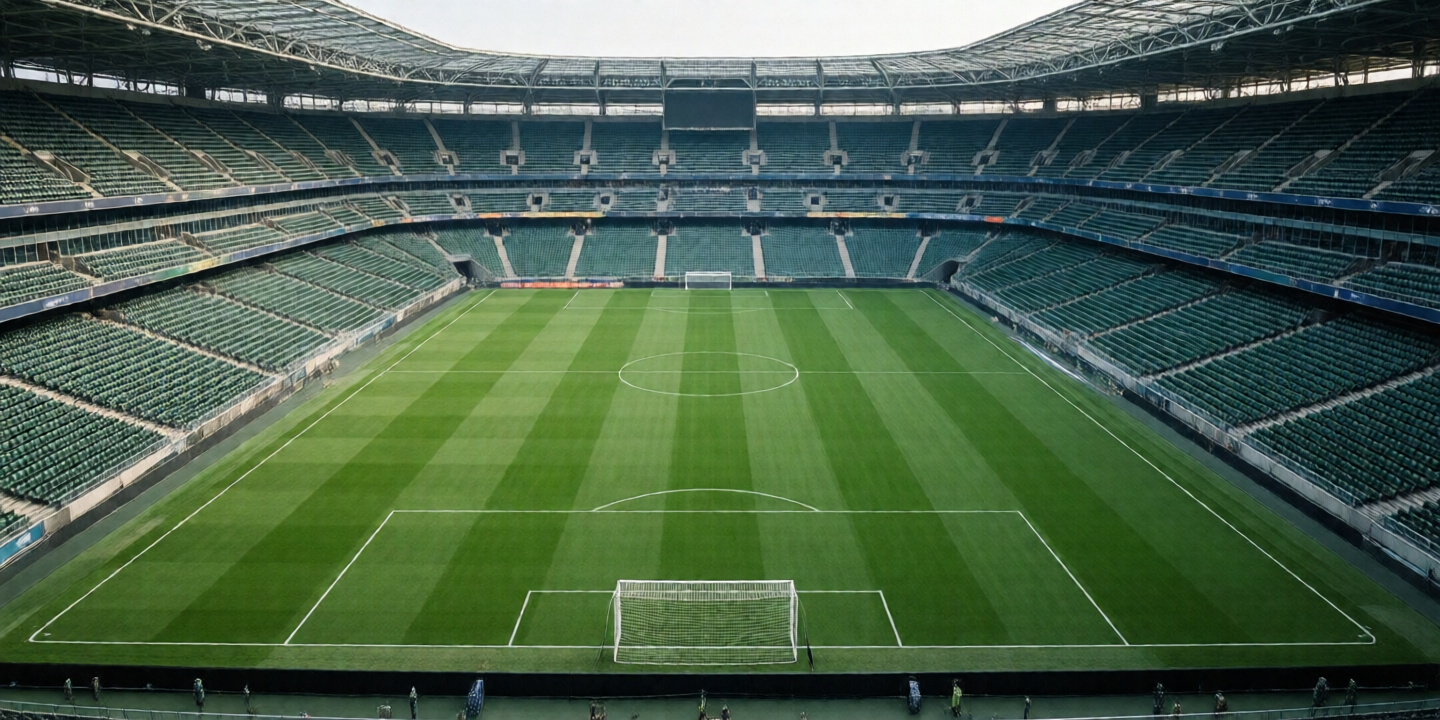
Photo by Vitaly Gariev on Pexels
The contrast is rather brutal: one supporter will watch an unforgettable match in a carefully planned city break, while another will discover that “New York to Dallas” is not a casual afternoon journey unless your afternoon includes an airport, security queues, and a heroic relationship with airport coffee. The football 2026 World Cup is larger geographically and structurally than previous editions, so preparation matters almost as much as knowing which team can defend a one-goal lead. World Cup Hub is designed for readers who want more than headlines, combining tournament news with tactical analysis, player form, statistical context, and responsible pre-match research. For official tournament information, consult FIFA’s 2026 World Cup overview, because fixture details and operational guidance can change. I will be honest with you: guessing your schedule from a social-media graphic is how experienced fans end up explaining an impossible itinerary to a hotel receptionist.
Want a clearer starting point for the tournament? Use our football coverage to compare teams, fixtures, and current storylines before committing money or travel time.
If you are planning a multi-city trip: map the tournament before booking
The 2026 World Cup spans 16 host cities across three countries, so supporters should group matches by region rather than assume every stadium is conveniently nearby. The United States hosts cities such as Atlanta, Boston, Dallas, Houston, Kansas City, Los Angeles, Miami, New York–New Jersey, Philadelphia, San Francisco Bay Area, and Seattle, while Canada hosts Toronto and Vancouver and Mexico hosts Guadalajara, Mexico City, and Monterrey. A realistic itinerary should allow at least one recovery or transfer day between distant fixtures, particularly when crossing national borders or changing time zones. The United States Department of Transportation and official Canadian and Mexican travel authorities remain more reliable than unofficial fan maps for current entry and transport advice.
A sensible planning method is to divide the football 2026 World Cup into regional clusters:
- Western cluster: Vancouver, Seattle, San Francisco Bay Area, Los Angeles, and Guadalajara.
- Central cluster: Dallas, Houston, Kansas City, and Monterrey.
- Eastern cluster: Toronto, New York–New Jersey, Philadelphia, Boston, Atlanta, and Miami.
- Mexico City exception: treat Mexico City as its own logistical base because altitude, traffic, and local travel times can affect match-day energy.
The distance between Los Angeles and New York–New Jersey is approximately 2,450 miles by air, while Dallas and Houston are far more manageable by road or short-haul flight. That difference is not a minor detail; it determines whether a second match is enjoyable or merely observed through the glazed expression of a person who has forgotten what sleep is. Also check stadium names carefully. Mercedes-Benz Stadium in Atlanta, SoFi Stadium in Inglewood, Estadio Azteca in Mexico City, BC Place in Vancouver, and MetLife Stadium in New York–New Jersey each have different transport environments, weather considerations, and security procedures. Review the 2026 World Cup host city travel guide before selecting accommodation.
Build a practical match-day buffer
For international visitors, aim to arrive in the host city at least 24 hours before a high-priority match. On match day, plan for airport transfers, public transport restrictions, stadium screening, walking distances, and possible weather delays. Los Angeles, Mexico City, Miami, and New York–New Jersey may produce very different heat, humidity, traffic, or crowd conditions in June and July. A supporter who budgets only the advertised journey time is not planning; they are submitting a hopeful prayer in spreadsheet form.
If you are following the new tournament format: understand the 48-team structure
The 2026 World Cup contains 48 teams divided into 12 groups of four, with 104 matches scheduled across the tournament. The top two teams from each group advance, joined by the eight best third-placed teams, creating a 32-team knockout stage. This format increases the number of matches from the 64 played at the 2022 FIFA World Cup in Qatar, but it also makes group-stage calculations more complicated because third-place rankings can remain relevant until the final group matches are completed.
The direct answer is simple: the 2026 FIFA World Cup has 48 teams, 12 groups, and 104 matches, with 32 nations reaching the knockout phase. The top two teams in each group qualify automatically, while eight third-placed teams also progress. Supporters should therefore track goal difference, goals scored, disciplinary records, and head-to-head rules using FIFA’s confirmed regulations rather than relying on memory.
The expanded format creates several analytical consequences. A strong team may rotate its squad earlier, while a mid-ranked nation could remain alive with four points depending on results elsewhere. Goal difference may become decisive, so a late equaliser or unnecessary concession can affect qualification beyond the individual match. World Cup Hub’s team pages should be used alongside official FIFA standings, especially when comparing tactical styles, injury news, expected line-ups, and recent competitive form.
For historical context, FIFA’s World Cup records and statistics show why tournament comparisons need care: a 2026 group-stage record cannot be interpreted identically to a 32-team group format. It is also worth noting that Canada, Mexico, and the United States qualify automatically as hosts under the tournament arrangements, while the remaining places are allocated through continental qualification processes. Do not confuse a team’s historical reputation with its current qualification position; football has buried many confident predictions, and I have personally attended several of those funerals.
Want to follow the format without drowning in tables? Compare group scenarios, team strengths, and qualification paths through World Cup Hub’s daily tournament analysis.

Photo by Yara Solis Fuentes on Pexels
If you are comparing teams or predictions: separate evidence from reputation
Football 2026 World Cup predictions should combine current evidence rather than simply repeating the names of traditional favourites. Brazil, Argentina, France, England, Germany, Spain, Portugal, and the Netherlands may attract attention because of history, squad quality, or recent performances, but tournament outcomes depend on injuries, tactical matchups, travel, rest, goalkeeper form, and the draw. A team with excellent possession statistics can still struggle against a compact opponent that attacks the space behind its full-backs. A famous shirt is not a defensive midfielder.
A useful pre-match framework includes:
- Recent competitive form: give greater weight to qualifiers and major tournaments than to heavily rotated friendlies.
- Chance quality: compare expected goals, shots inside the penalty area, and big chances rather than raw possession alone.
- Game-state performance: examine how a team reacts after scoring or conceding first.
- Set-piece efficiency: corners and free kicks can decide close knockout matches.
- Availability: confirm suspensions, injuries, squad registration, and travel updates.
- Tactical compatibility: assess whether one team’s pressing, width, or transition defence exposes a specific weakness.
One practical edge is to record when a prediction was made. Odds, line-ups, weather, and injury reports may change between 30 days before kickoff and the final team announcement. Comparing a pre-squad forecast with a confirmed line-up forecast reveals whether the original reasoning was sound or merely lucky. That distinction matters for readers using information to make entertainment decisions, particularly where sports wagering is legally permitted. The National Council on Problem Gambling recommends setting limits before gambling, and those limits should never be increased to recover losses.
World Cup Hub’s analytical value lies in documenting the reasoning behind a prediction: formation, pressing triggers, player roles, recent performance, and matchup data. The contrarian point is that “best team” and “best match-up” are different categories. A technically superior side may be a poor selection against an opponent that neutralises its preferred build-up pattern. After years of watching supposedly unstoppable teams spend 90 minutes passing sideways, I now trust tactical fit more than tournament mythology.
Common pitfalls to avoid
The most common football 2026 World Cup mistakes involve logistics, incomplete information, and emotional decision-making rather than a lack of passion. Supporters often buy accommodation before confirming match locations, treat every city as equally accessible, or assume a group-stage qualification calculation is obvious. Others rely on one statistic, such as possession or FIFA ranking, while ignoring injuries and tactical context. These errors are avoidable with a short checklist and a willingness to admit that even veteran fans occasionally misread a bracket.
Avoid these specific problems:
- Booking non-refundable travel too early: host-city schedules, ticket policies, and transport arrangements can change.
- Confusing venue location with city identity: SoFi Stadium is in Inglewood, not central Los Angeles, and travel time matters.
- Ignoring local kickoff times: a match shown at one time online may appear differently after time-zone conversion.
- Treating automatic host qualification as competitive evidence: Canada, Mexico, and the United States enter as hosts, but that does not guarantee equal tournament readiness.
- Using unverified ticket sellers: rely on FIFA’s official ticketing information and avoid pressure-driven resale offers.
- Chasing losses through football betting: no prediction system eliminates variance, injuries, refereeing decisions, or bad luck.
- Forgetting responsible limits: set a fixed entertainment budget and stop when it is reached.
A particularly useful operational habit is to keep three separate documents: a confirmed fixture list, a travel plan, and a prediction log. Do not merge them into one colourful file that becomes impossible to audit after the second espresso. Mark every item as confirmed, provisional, or speculation. For ticket and event safety, review guidance from FIFA and relevant host-city authorities rather than screenshots circulating on social platforms.
A second information gain is the “72-hour rule”: do not make a major travel change, ticket purchase, or stake increase immediately after a dramatic injury, red card, or viral rumour. Wait until the information appears in at least one official source and one established news outlet, then reassess. This does not guarantee a good decision, but it prevents the classic mistake of paying a premium because a substitute goalkeeper allegedly liked a post online.
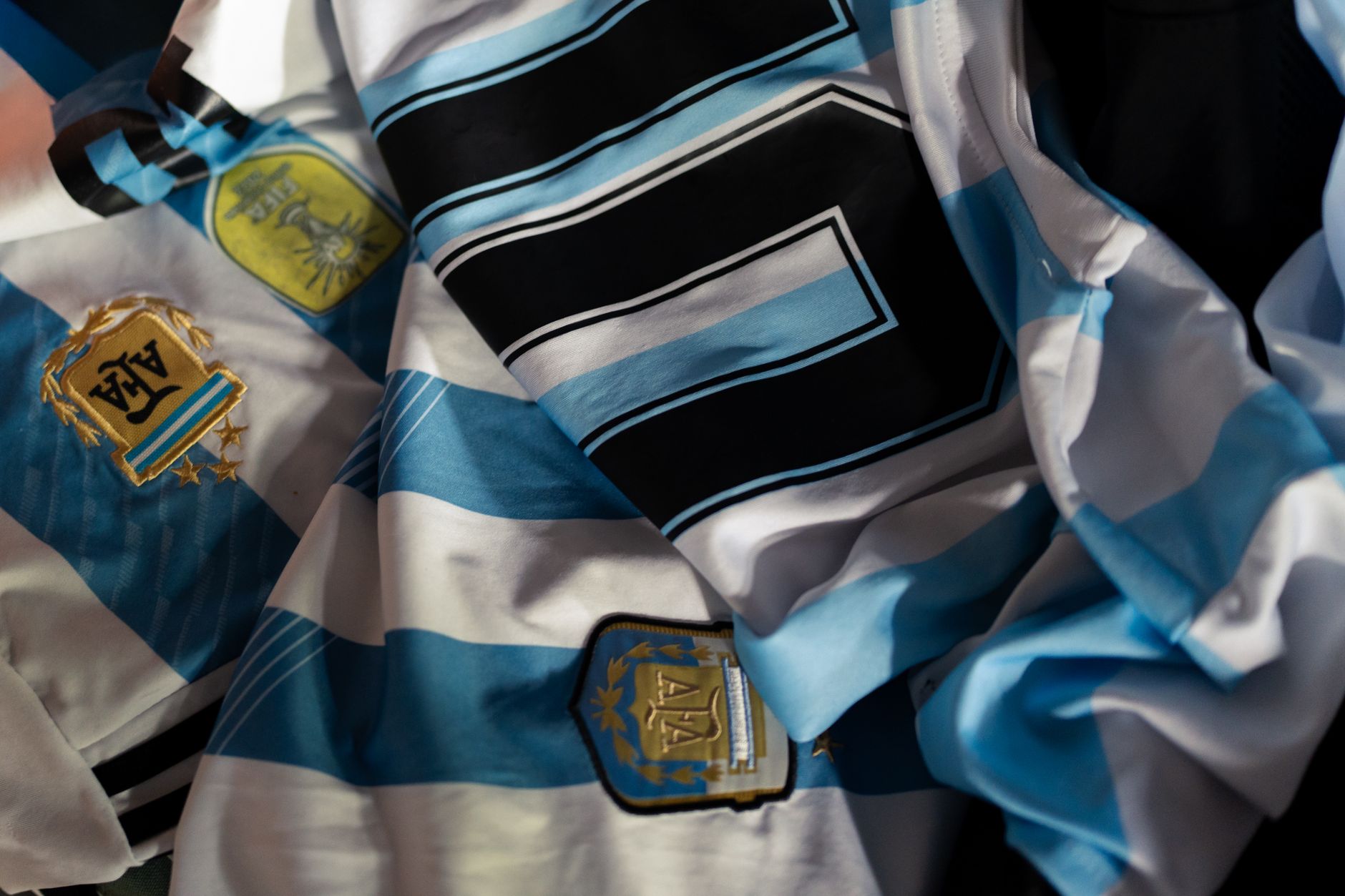
Photo by Uriel Lu on Pexels
The 30-day check-in
The 30-day check-in is the point at which a football 2026 World Cup plan should move from broad enthusiasm to verified detail. Thirty days before a match, confirm the venue, kickoff time, ticket status, hotel cancellation terms, local transport, weather forecast, and entry requirements. Recheck squad news and expected line-ups during the final week, then review the official match-day instructions during the final 48 hours. A plan that survives those checks is usually more useful than a beautifully designed itinerary created six months earlier.
Use this schedule:
- 30 days out: confirm fixture, city, accommodation, ticket source, and travel route.
- 14 days out: review team form, injuries, squad announcements, local events, and transport notices.
- 7 days out: check weather, stadium policies, baggage rules, and public-transit changes.
- 48 hours out: verify kickoff time, line-ups where available, ticket access, and venue entry instructions.
- Match day: carry only permitted items, arrive early, and keep a backup digital ticket method.
This is also the right time to update your prediction model. Compare the original forecast with current metrics, then identify what changed: a striker’s fitness, a tactical switch, a suspension, or a different incentive in the group table. Do not quietly rewrite your old prediction and pretend you were right all along; football already provides enough fiction without help from our notebooks. If you follow betting markets, use only licensed services available in your jurisdiction, never borrow money, and treat every wager as optional entertainment rather than income.
World Cup Hub can support this final review with updated match previews, player statistics, tactical notes, and tournament coverage. Its strongest use is not promising certainty; it is helping readers ask better questions before watching or making a decision. For additional planning, consult the World Cup match-day checklist and team tactics and player statistics guide.
Get the final details before the tournament accelerates and fixtures become harder to track.
The football 2026 World Cup will reward supporters who respect its scale: 48 teams, 104 matches, 16 host cities, and three national environments create more possibilities but also more ways to make an expensive mistake. Plan travel by region, understand the 12-group format, evaluate teams through current evidence, and verify every important detail close to kickoff. World Cup Hub offers a practical source for match predictions, tactics, player data, and daily tournament coverage, but no analysis replaces official FIFA information or personal financial discipline. I will be honest with you: the only guaranteed winner is the fan who arrives at the correct stadium, on the correct day, with a valid ticket and enough sleep to remember the goal.
Ready to follow the tournament with better information and fewer avoidable errors?
Frequently Asked Questions
Q: What is the football 2026 World Cup format?
A: The football 2026 World Cup features 48 teams in 12 groups of four, followed by a 32-team knockout stage. The top two teams from each group qualify, along with the eight best third-placed teams. The tournament will include 104 matches in Canada, Mexico, and the United States, making it the largest FIFA World Cup by team count and total matches.
Q: How many host cities are in the 2026 World Cup?
A: The 2026 World Cup will use 16 host cities across Canada, Mexico, and the United States. Canada has Toronto and Vancouver, Mexico has Guadalajara, Mexico City, and Monterrey, while the United States hosts 11 cities, including Atlanta, Dallas, Los Angeles, Miami, Seattle, and New York–New Jersey. Always verify the official venue designation because stadium locations may sit outside the city centre.
Q: How should I plan travel for the 2026 World Cup?
A: Plan travel by geographic cluster and allow at least one buffer day between matches in distant cities. Group western, central, and eastern fixtures instead of attempting repeated cross-country transfers. Confirm airport routes, accommodation cancellation terms, border requirements, public transport, and stadium entry rules before purchasing non-refundable arrangements.
Q: What is the difference between World Cup predictions and official results?
A: World Cup predictions are analytical estimates, while official results are determined only by completed FIFA matches. Predictions may use form, expected goals, injuries, tactical matchups, and squad availability, but they cannot remove uncertainty. World Cup Hub provides research and previews, whereas FIFA remains the authoritative source for fixtures, standings, regulations, and final results.
Q: Is it worth following player statistics for the 2026 World Cup?
A: Player statistics are valuable when interpreted alongside role, opponent, and playing time. Goals, assists, expected goals, progressive passes, pressures, saves, and defensive actions can reveal form, but raw totals may mislead when a player has appeared for fewer minutes. Compare statistics across recent competitive matches and confirm whether the player is expected to start.
Q: What should I do if World Cup fixture information changes?
A: Recheck FIFA and the relevant host-city authority, then update your travel, accommodation, and viewing plans. Do not rely solely on screenshots, social-media posts, or unverified resale messages. Keep a written record of confirmed and provisional arrangements, and choose flexible bookings whenever the terms are financially reasonable.
Q: How much money should I set aside for following the football 2026 World Cup?
A: Set a fixed budget covering tickets, transport, accommodation, food, streaming, and optional entertainment before making purchases. Costs vary sharply between cities such as Mexico City, Dallas, Los Angeles, and New York–New Jersey, so a single tournament-wide estimate is unreliable. If you choose to gamble where legal, use only money allocated for entertainment, set deposit and loss limits, and never increase spending to chase a loss.
END_OF_DISPATCH
Thanks for reading this article from our archive.